Cotton, soaked in wax, that you can fix yourself at the kitchen table. Probably the best idea British clothing ever had.
The name on the pocket adds nothing to it. And once you start reading the small print, you keep finding the same mill in Dundee.
Four jackets nobody talks about, and the mill behind them.
Peregrine
England
Eight generations of the Glover family since 1796. The wax jackets are sewn at a partner factory near Birmingham.
Visit Peregrine → Who owns it →Hoggs of Fife
Fife, Scotland
Family-owned since 1888. Their Caledonia jacket uses wax cotton from Halley Stevensons in Dundee.
Visit Hoggs of Fife → Who owns it →Kestin
Edinburgh
Kestin Hare’s label, with a studio in Leith. For waxed cotton he works with the same mill in Dundee.
Visit Kestin → Who owns it →Private White V.C.
Manchester
Hand-cut and sewn in their own factory by the River Irwell, in a building that goes back to 1853. The cloth for the Wax Tracker comes from Halley Stevensons too.
Visit Private White V.C. → Who owns it →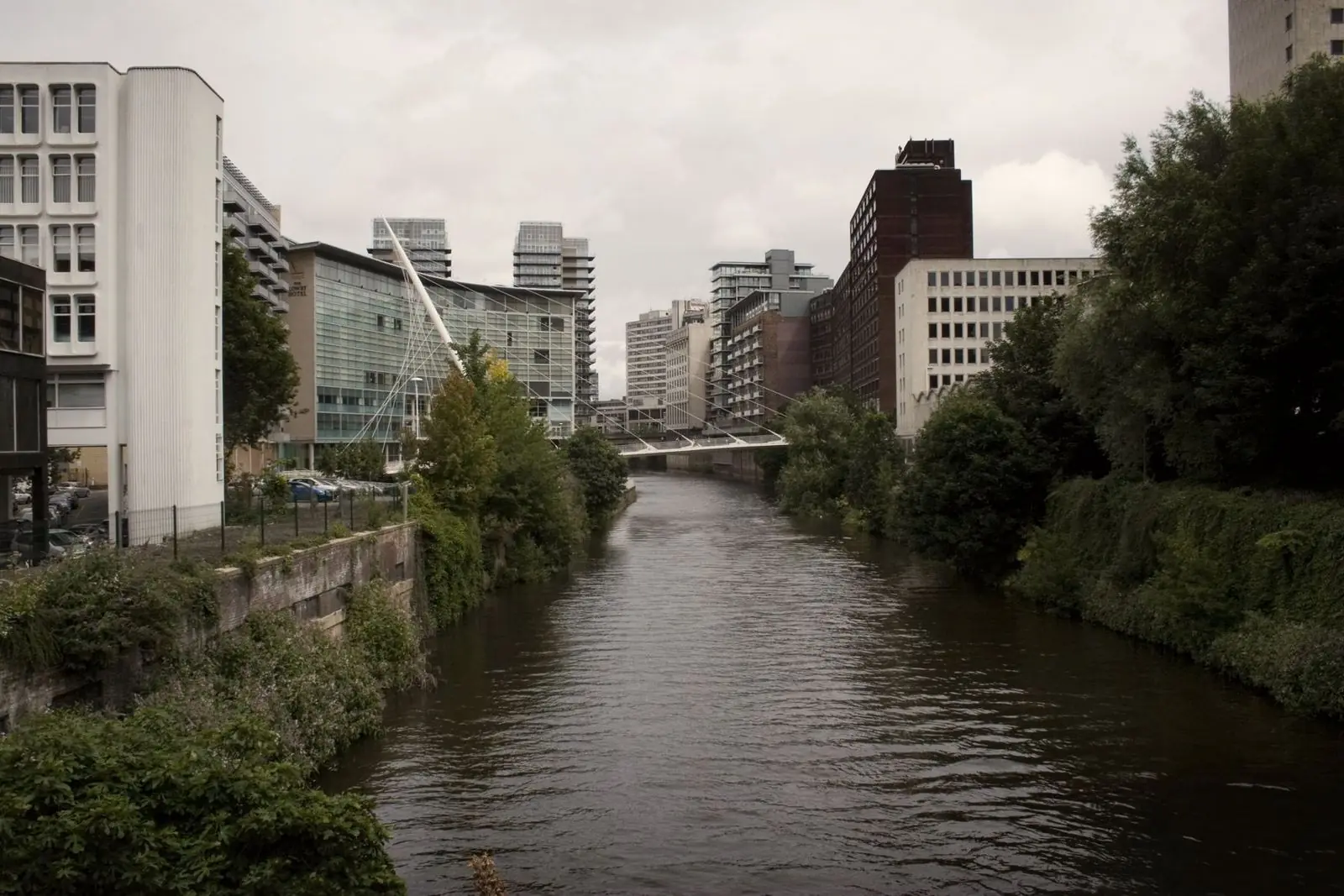
Halley Stevensons
Dundee, Scotland
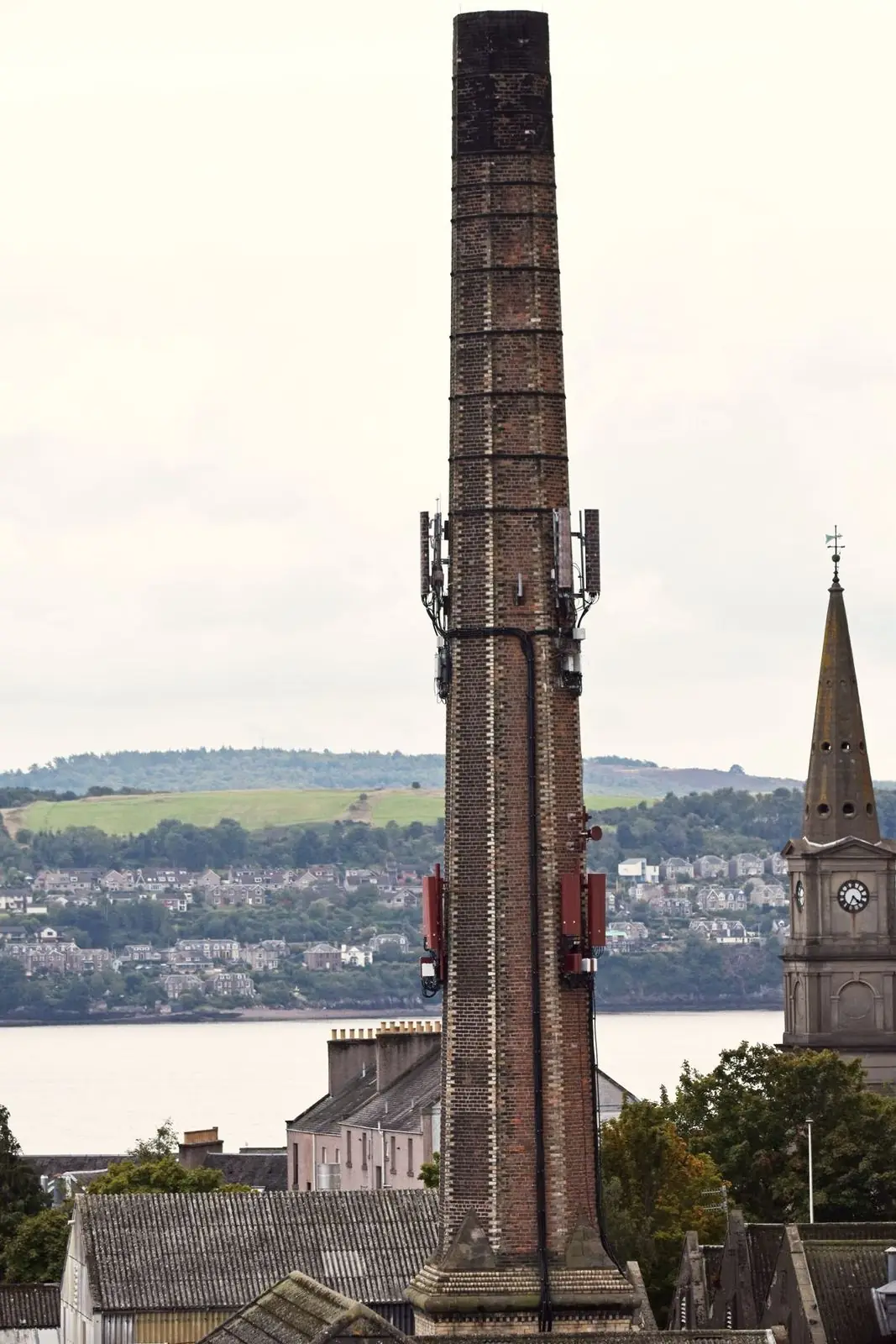
Not a jacket. The mill. Baltic Works in Dundee was built as a jute mill in 1864, and Halley Stevensons got its first waterproofing patent in 1910. Look inside the jackets above and this is the name you keep finding.
Visit Halley Stevensons → Who owns it →Looking after it
Rewax once a year, or when the cloth looks dry and water stops beading on it. Clean it with cold water and a sponge. Never the washing machine. The corduroy collar is there for a reason, by the way. More on that here.
A waxed jacket should look worse every year. That’s how you know it’s working.