Most winters in the city are plus two and wet. Not the Yukon. Nobody on the U-Bahn needs an expedition parka.
What you need is a coat that weighs something. Wool that keeps out the wind, sheds the rain and still looks right in ten years. Wool did that long before anyone sewed a patch on a sleeve.
Five wool coat makers the patch crowd has never heard of.
Filson
Seattle, USA
Clinton Filson started in Seattle in 1897, kitting out men heading north for the Klondike gold rush. In 1914 he patented the Mackinaw Cruiser, a heavy wool jacket with more pockets than you will ever need. Filson still lists it as stitched in Seattle.
Visit Filson → Who owns it →Gloverall
England
Harold and Freda Morris started in 1951 by selling the Navy’s leftover duffle coats. When the surplus ran out, they had new ones made to the same pattern. The Heritage coats are still made in England.
Visit Gloverall → Who owns it →Steiner1888
Mandling, Austria
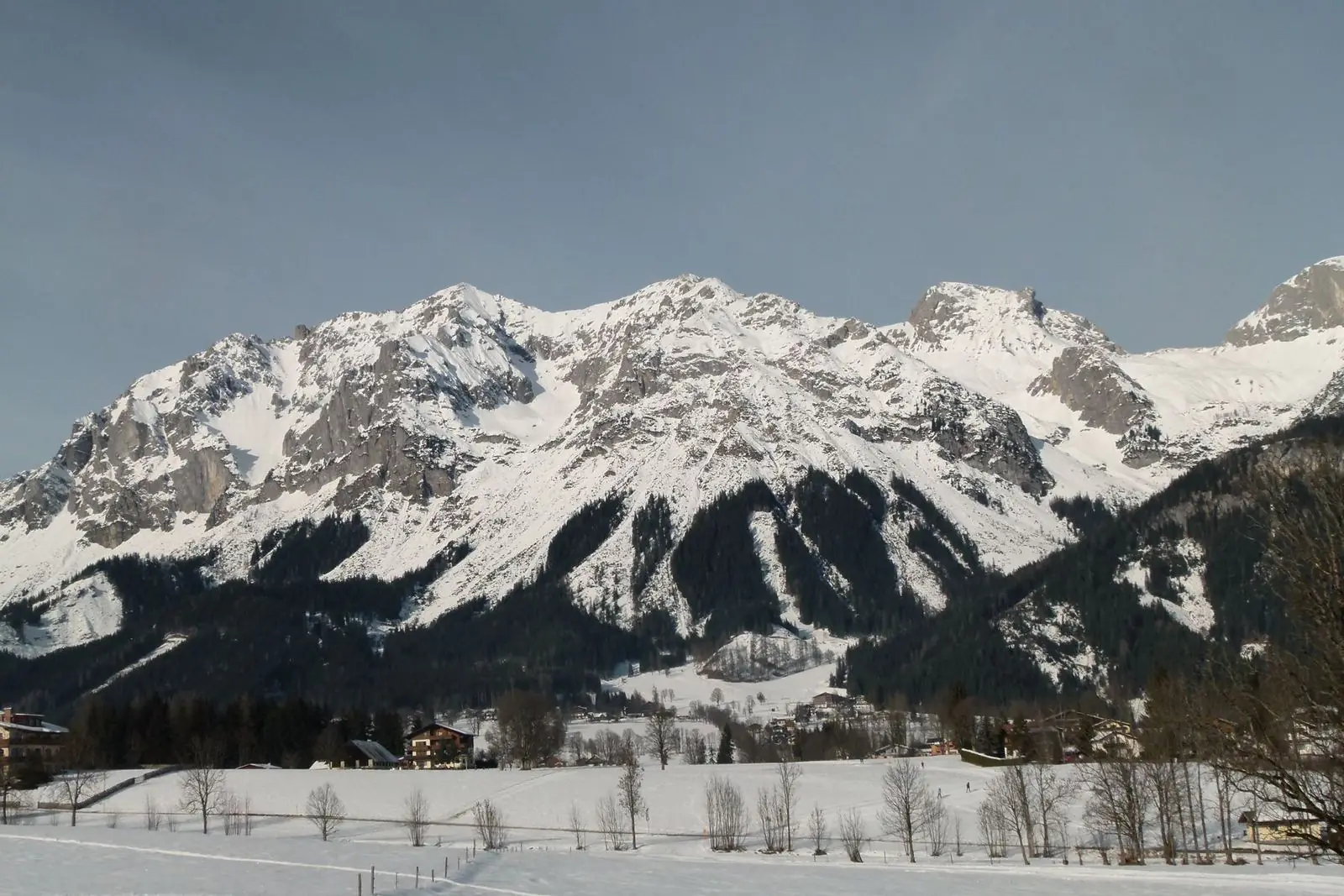
A loden mill at the foot of the Dachstein since 1888. The cloth is fulled on a hammer mill about 130 years old, until it is dense enough to keep out wind and snow. In 1910 a mountain guide, Franz Steiner, took over from his uncle. The fifth generation runs it now.
Visit Steiner1888 → Who owns it →Crombie
Since 1805
Founded in Aberdeen by John Crombie and his son. Crombie says one in ten British officers’ coats in the First World War were cut from its cloth. One of those officers’ coats, a British Warm, is in Aberdeen’s museum collection.
Visit Crombie → Who owns it →Cordings
Piccadilly, London
Founded in 1839, at 19 Piccadilly since 1877. Royal Warrant as waterproofers in 1909. In 2003 Eric Clapton liked the shop enough to buy into it.
Visit Cordings → Who owns it →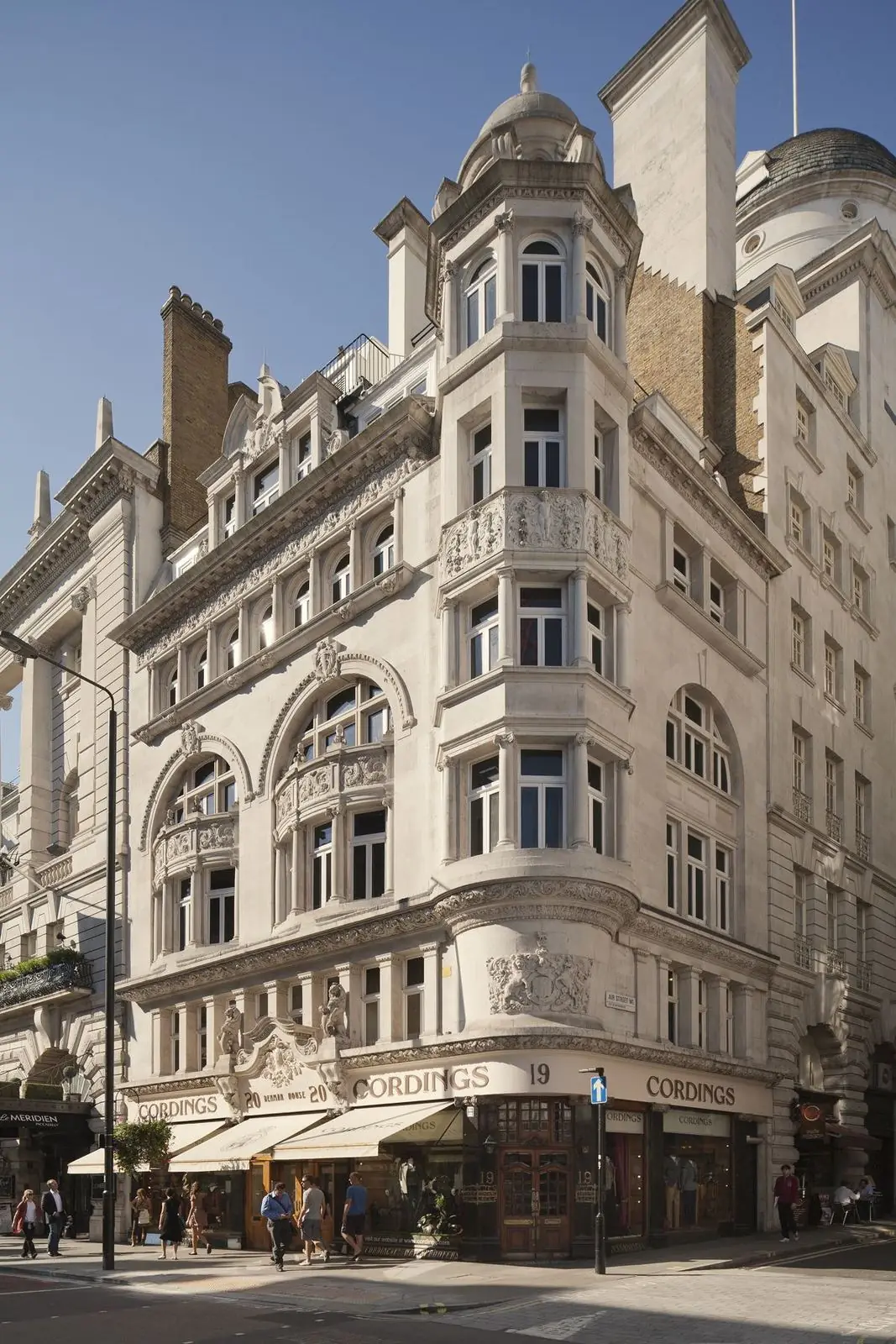
Wool. No patch.
A wool coat gets heavier in the rain and lighter with the years. At some point you stop noticing you are wearing it. That’s when it’s yours. If you want to know why the duffle has toggles, that’s its own note.
How to tell a good coat in ten seconds, and six I would buy again: The Coat Edit. A free guide, 15 pages.