None of these cost much. Most of them are habits. That’s the point.
His shoes are older than his phone.
Good shoes get repaired, not replaced. A Goodyear-welted shoe can be resoled, and Crockett & Jones say they can usually repair theirs three or four times if they’ve been looked after. How to spot one in ten seconds.
He knows his tailor’s first name.
Almost nothing fits off the rail. A sleeve shortened, a hem taken up, a waist taken in. Small alterations make everything you already own look better than anything new.
He owns one coat. And it’s the right one.
Not five. One, in wool that weighs something, that fits over a jacket. Here’s how to test one.
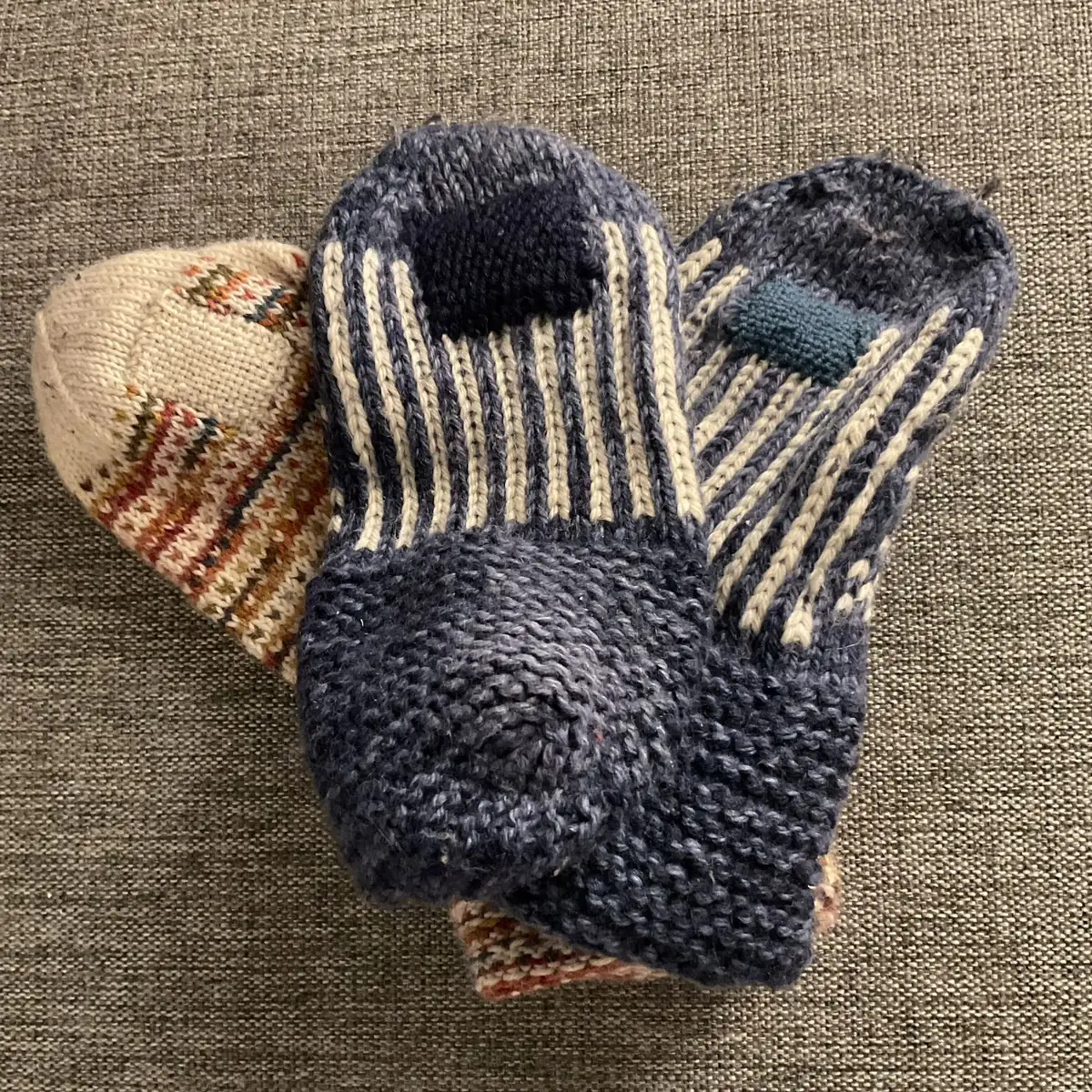
His jumper has a repair. He’s proud of it.
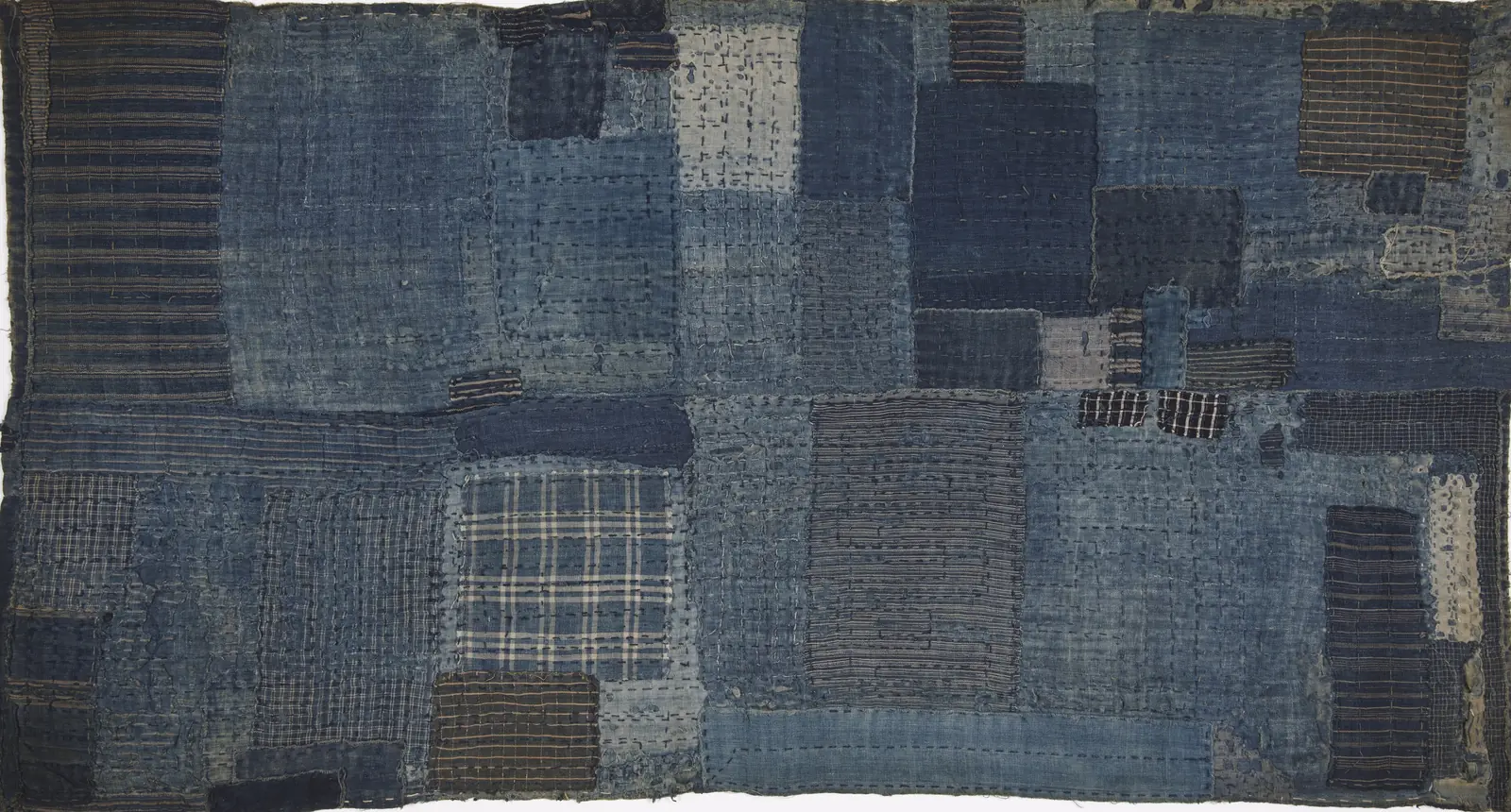
Mending is older than fashion. In rural Japan, everyday cloth was repaired again and again with scraps, the patches held down with simple running stitches. They call it boro. Today it hangs in museums. A darn on your elbow is the same idea.
He hangs his jacket up before he sits down.
On a broad wooden hanger, not the back of a chair. Tailors say to give wool a day or two of rest between wears, so it can dry out and find its shape again.
He can’t tell you the brand. Only where it was made.
Ask him about his jumper and he says Hawick. Or Shetland. Or a mill in Dundee. That’s the man you take shopping advice from.
And somewhere in his wardrobe, a moth trap
Moths love wool, and they particularly like the good stuff, like cashmere. A trap alone won’t save it. The lure only attracts the males, so it tells you there is a problem. It doesn’t solve it. What helps, according to English Heritage: put things away clean, because moths go for stains first, and store them in sealed bags or boxes with lids. Cedar balls smell nice. They don’t reach the larvae inside the clothes.
How many do you have?